
Understanding Wasps and How to Spot a Wasp Nest
How to spot a wasp nest in London homes is an important skill for homeowners, especially during the warmer months when wasp activity increases. Early identification can help prevent stings and reduce the need for emergency wasp nest removal.
Common Types of Wasps in London Homes
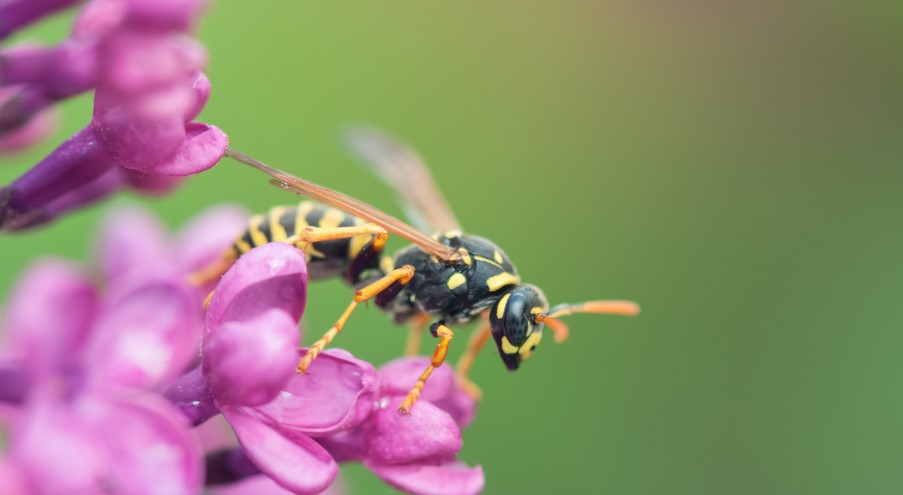
Several species of wasps are commonly seen in London, each with slightly different nesting habits. The most prevalent is the common wasp (Vespula vulgaris), which is recognisable by its vivid yellow and black stripes. Another species, the German wasp (Vespula germanica), is similar in appearance but slightly smaller. Both species are known to build nests that can become large and pose significant nuisance when located near residential areas. Knowing how to spot a wasp nest can help you identify activity before it becomes a serious infestation.
How to Identify Wasps When Learning How to Spot a Wasp Nest
Common and German wasps have distinctive features that make them easy to identify:
- Yellow and black striped bodies
- Slender waists and smooth bodies, unlike the hairy appearance of bees
- Consistent buzzing sound near nests
- Attracted to sweet foods and sugary drinks
How to Spot a Wasp Nest Early in London Homes
Spotting a wasp nest early requires careful observation. Wasps typically begin to build nests in late spring, and by mid to late summer, nests can become quite large and active. Early detection not only helps in mitigating risk but also makes removal simpler and safer.
Visual Signs to Help You Spot a Wasp Nest
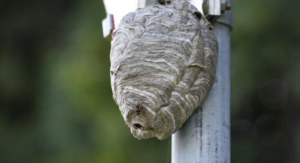
When trying to detect a nest, keep an eye out for the following visual indicators:
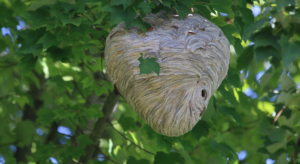
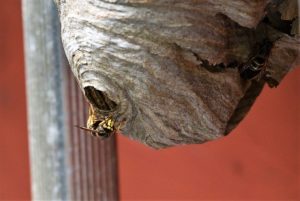
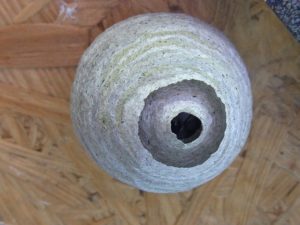
- Paper-like structure: Wasp nests have a distinctive papery appearance, as wasps create the nest material by chewing wood fibres mixed with saliva.
- Shape and size: Nests can range from the size of a golf ball to a large cabbage, often spherical or oval-shaped with a distinctive layered look.
- Location: Early nests may be small and less conspicuous, but they frequently grow in protected corners or hidden spots.
Activity Patterns
These behaviours are key signs when learning how to spot a wasp nest safely.
Active wasp nests exhibit particular behavioural signs that can help identify their presence:
- Increased wasp flight activity around a specific area
- Wasps entering and exiting small holes or crevices repeatedly
- Buzzing sounds coming from hollow or sheltered areas
Typical Nesting Spots Around London Homes and Gardens
Wasps select nesting sites that provide shelter and safety for their colony. Knowing common nesting spots around homes can make early detection easier.
Outdoor Locations
- Under eaves and roof tiles: Wasps often build nests tucked beneath the overhangs of roofs or in gaps between tiles.
- Garden sheds and garages: These structures offer sheltered, less disturbed environments.
- Hollow trees and bushes: Natural cavities in wooded areas or dense shrubbery serve as prime nest sites.
- Under decks and patios: Spaces beneath outdoor decking or patios are warm and safe spots for nests.
Indoor Nesting Possibilities
Although less common, wasps sometimes invade indoor spaces, especially in older homes with crevices or gaps:
- Inside wall cavities and lofts
- Behind insulation or inside ventilation ducts
- Within attics or unused storage rooms
How to Safely Inspect for Wasp Nests
When checking your property for wasp nests, safety should always be the priority. Wasps can become aggressive if they feel threatened.
Best Practices for Inspection
- Carry out inspections during the early morning or late evening when wasps are less active.
- Wear protective clothing, including long sleeves, pants, and gloves.
- Move slowly and avoid sudden movements or loud noises.
- Use binoculars to observe hard-to-reach areas from a safe distance.
- Do not attempt to disturb the nest, as this can provoke wasps. Learning how to spot a wasp nest in London homes is important for safe identification, but removal should always be left to professionals.
When to Call Professional Wasp Control Services
Removing wasp nests can be hazardous without the proper equipment and expertise. It is often best to seek professional pest control services in London, especially if the nest is large, located near living spaces, or if anyone in the household is allergic to wasp stings.