

Bed bugs are experts at staying hidden, which means you may not notice an infestation until it has already started to spread. Fortunately, there are several places around your home where you can check for early signs. This guide explains what bed bugs look like, where they hide, how to inspect your home before an infestation becomes more difficult to control and what to do when there’s a problem.
What Do Bed Bugs Look Like?
Adult bed bugs are around 5mm long with flat, oval-shaped bodies. Before feeding, they are typically brown, but after a blood meal they become darker reddish-brown and appear more swollen.
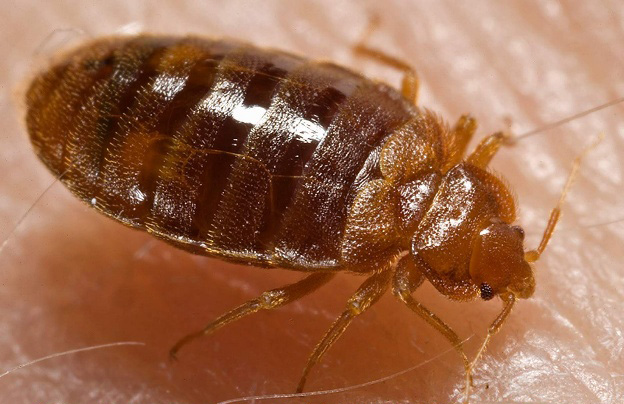
Young bed bugs, known as nymphs, are much smaller and lighter in colour, while their eggs are tiny, white and roughly the size of a pinhead. As they grow, bed bugs shed their skins several times, often leaving pale yellow casings behind.
Although visible to the naked eye, bed bugs are excellent at hiding in small cracks and crevices close to where people sleep.
How to Check for Bed Bugs
You don’t need specialist equipment to inspect for bed bugs. A bright torch and a careful eye are often enough to spot the first warning signs.
Step 1: Strip the Bed
Begin by removing all bedding, including sheets, duvet covers and pillowcases. Carefully inspect each item in good lighting, paying close attention to seams, folds and corners where bed bugs or their eggs may be hiding.
Look for:
- Small blood spots on bedding
- Tiny dark brown or black marks (bed bug droppings)
- Live bed bugs
- Pale yellow shed skins left behind as bed bugs grow
If you notice one or more of these signs, continue inspecting the mattress and bed frame to determine whether a bed bug infestation is present.
Step 2: Check Your Mattress
One of the most common places to find bugs in a mattress is along the seams, piping and stitched edges, where bed bugs remain hidden during the day. Carefully inspect the entire mattress, paying particular attention to the seams, labels, folded edges, buttons and stitching. Using a torch can help you spot live bed bugs, tiny white eggs, shed skins or dark spotting tucked away in small folds and crevices.
Many people first suspect an infestation after noticing brown stains on their mattress. These tiny brown or black spots are often bed bug droppings and are commonly found around mattress seams, bed frames, headboards and nearby furniture. While not every brown stain indicates bed bugs, stains found alongside bites, shed skins or live insects should be investigated further.
Step 3: Inspect the Bed Frame
Bed bugs often hide inside bed frames because they prefer to stay close to their food source. Carefully inspect the entire frame, paying particular attention to wooden joints, screw holes, headboards, slats and any cracks or crevices where bed bugs can remain hidden during the day. A torch can help you identify live bed bugs, eggs, shed skins or dark faecal marks in these hard-to-reach areas.
Step 4: Check Nearby Furniture
If an infestation has started to spread, bed bugs won’t just stay in the bed. They often move into nearby furniture and other hiding places close to where people sleep. Carefully inspect the following areas, paying particular attention to seams, joints, drawer runners and narrow gaps where bed bugs can remain hidden during the day:
- Bedside cabinets
- Wardrobes
- Sofas
- Upholstered chairs
- Curtain folds
It’s also worth checking behind picture frames, loose wallpaper and along skirting boards, as these are common hiding places for bed bugs.
Step 5: Inspect Recently Used Luggage
Bed bugs are excellent hitchhikers and are commonly introduced into homes after travelling. If you’ve recently stayed in a hotel, hostel or other accommodation, carefully inspect your luggage and belongings before bringing them into your bedroom.
Pay particular attention to:
- Suitcases
- Backpacks
- Clothing
- Laundry bags
Check seams, pockets, zips and folded areas where bed bugs or their eggs may be hiding. If you suspect your luggage has been exposed, wash clothing on a hot cycle where possible before storing it.
What Should You Do If You Find Bed Bugs?
If you think you’ve found bed bugs, it’s important to act quickly. Avoid moving furniture, bedding or clothing into other rooms, as this can spread the infestation to other areas of your home and make it much more difficult to eliminate.
Instead, you should:
- Wash bedding and clothing at 60°C where suitable.
- Vacuum mattresses, bed frames and surrounding areas thoroughly.
- Reduce clutter around the affected room to remove potential hiding places.
- Avoid using DIY sprays before confirming the infestation, as they can drive bed bugs into harder-to-reach areas.
- Arrange a professional inspection if you’re unsure whether you have bed bugs.
The earlier a bed bug infestation is identified, the easier it is to treat. Professional pest control is usually the quickest and most effective way to eliminate bed bugs completely, helping to prevent them from spreading further throughout your property.
Bed Bugs vs Similar-looking Pests
Not every small insect found in your home is a bed bug. Several household pests share a similar size or colour, making it easy to misidentify an infestation. Understanding the differences can help you decide on the most appropriate treatment.
Bed Bugs vs Carpet Beetles
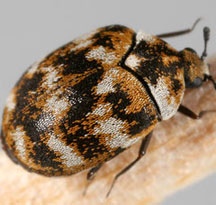
Carpet beetles are often mistaken for bed bugs, but they have a more rounded body and are usually black, brown or mottled with white and yellow markings. Unlike bed bugs, carpet beetles don’t bite. Instead, their larvae feed on natural fibres such as carpets, clothing and upholstery.
Bed Bugs vs Flour Beetles
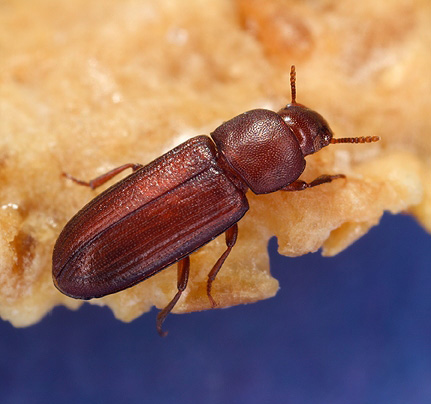
Flour beetles are small reddish-brown beetles often associated with stored foods such as flour, cereals, rice, and pasta. However, adult beetles may also be found elsewhere around the home after flying or wandering indoors, particularly during warmer weather. Unlike bed bugs, flour beetles do not feed on blood or bite humans. If you’ve found small brown beetles on skirting boards, furniture, or windowsills, check nearby food cupboards and potential entry points before assuming they’re bed bugs.
Bed Bugs vs Fleas
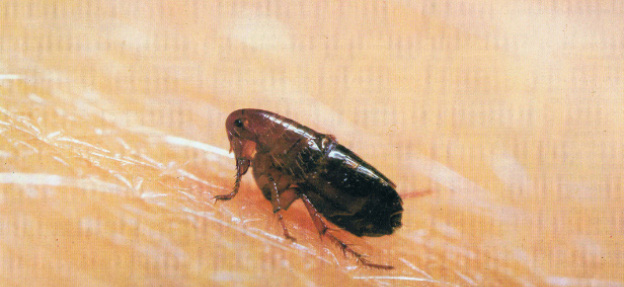
Fleas are much smaller than bed bugs and are capable of jumping, whereas bed bugs cannot jump or fly. Flea bites are commonly found around the ankles and lower legs, while bed bug bites tend to appear on exposed skin, such as the arms, neck, and shoulders, after sleeping.
Not Sure Which Pest You Have?
Correct identification is the first step towards effective pest control. If you’re unsure whether you’ve found bed bugs or another household pest, our Pest Identification Guide can help, or you can contact Empire Pest Control for professional advice and treatment recommendations.
Need Professional Bed Bug Removal?
Whether you’ve spotted the early signs of bed bugs or you’re dealing with a confirmed infestation, acting quickly can help prevent the problem from spreading. Empire Pest Control provides fast, effective bed bug removal across London, helping homeowners, landlords and businesses eliminate infestations safely and professionally. Contact our team today to arrange a free survey and no-obligation quotation.
Frequently Asked Questions
How do I know if I have bed bugs?
The most common signs include small red bites, blood spots on bedding, dark faecal marks, shed skins and live bed bugs hiding around mattress seams or bed frames. Finding several of these signs together is a strong indication of an infestation.
What do bed bugs look like?
Adult bed bugs are around 5mm long with flat, oval-shaped brown bodies that become darker after feeding. Young bed bugs are smaller and lighter in colour, while their eggs are tiny, white and difficult to spot.
Where are bed bugs most likely to hide?
Bed bugs usually hide close to where people sleep, including mattress seams, bed frames, headboards, bedside furniture, skirting boards and upholstered furniture. They prefer small, dark crevices where they can remain undisturbed during the day.
Are brown stains on a mattress always caused by bed bugs?
No. Brown stains can also be caused by dried blood, sweat or general wear. However, if the stains are accompanied by bites, shed skins or live bed bugs, they may indicate an infestation.
Are bugs in a mattress always bed bugs?
No. Other insects, such as carpet beetles or flour beetles, can sometimes be found around beds or furniture. Looking for additional signs, such as eggs, blood spots and bed bug droppings, can help identify whether bed bugs are present.
When should I contact a professional?
If you’ve found live bed bugs or several signs of an infestation, it’s best to arrange a professional inspection as soon as possible. Early identification and treatment can help prevent the infestation from spreading throughout your property.