
London’s urban landscape is not only a hub of culture and history but also a thriving environment for bees. During the warmer months, bees are just one of several insects that become more active around homes across the capital. These remarkable pollinators play a crucial role in maintaining biodiversity and supporting the city’s green spaces. As concerns about declining bee populations grow worldwide, London’s efforts to protect and encourage bee life are more important than ever.
Understanding the significance of bees in London highlights the delicate balance necessary for urban ecosystems. From community initiatives to large-scale projects, the city embodies a commitment to conserving these vital insects.
Bees in London’s Urban Environment
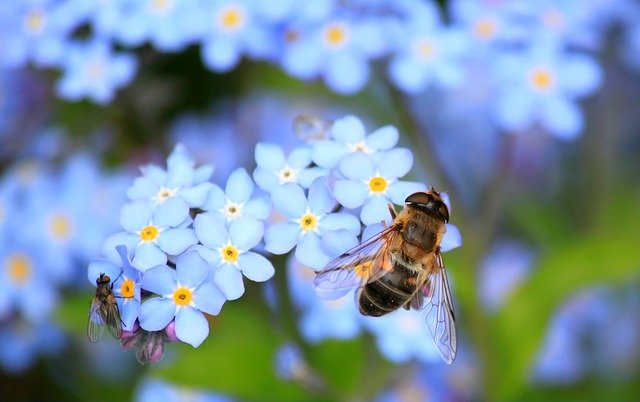
Urban areas like London might not seem like natural habitats for bees, but the city provides a surprisingly rich ecosystem. Gardens, parks, and even green rooftops offer a variety of flowers that bees rely on for nectar and pollen. These green spaces act as crucial refuges amidst the concrete, supporting both wild and managed bee colonies.
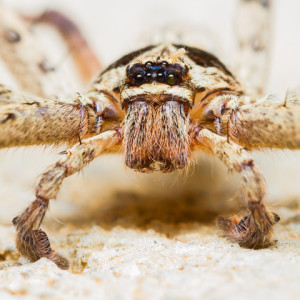
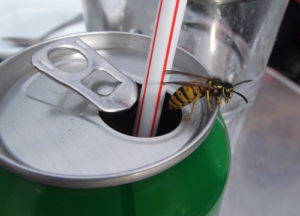
London’s climate also benefits the bees, with relatively mild weather and a diverse range of plant species that bloom throughout the growing season. This diversity ensures a steady food supply and habitat variety for the pollinators. Homeowners often mistake bees for other flying insects that become active during summer.
Types of Bees Found in London
London is home to various species of bees, including both honeybees and solitary bees. Honeybees are widely recognized and often kept by beekeepers for their crucial role in honey production and crop pollination. Solitary bees, such as mason and leafcutter bees, are less well-known but equally important for biodiversity.
Each species has unique behaviours and habitat requirements. While honeybees live in colonies, solitary bees nest individually in cavities or underground. Understanding these differences is vital for effective conservation strategies. Correct identification is important because bees require a very different approach from ants, wasps and other household pests.
Importance of Bees in London’s Ecosystem
Bees contribute significantly to London’s urban ecosystem by pollinating a wide variety of flowering plants. This pollination process supports not only the plants themselves but also the broader food web, benefiting birds, insects, and other wildlife.
Moreover, bees aid in the production of fruits and vegetables grown in London’s community gardens and allotments, helping to sustain local food systems. Their pollination services improve plant reproduction and genetic diversity, which are essential for ecosystem resilience.
Pollination and Biodiversity
Pollination by bees maintains the health of native plant populations and controls the spread of invasive species. This balance is critical in urban areas where natural habitats are fragmented. By enabling plant reproduction, bees help maintain soil stability, reduce erosion, and keep natural cycles intact.
In turn, this biodiversity supports other creatures, creating a more dynamic and sustainable urban environment. Therefore, protecting bee populations directly supports wider ecological health in London.
Challenges Facing Bees in London
Despite the city’s positive aspects, London’s bees face numerous threats. Habitat loss due to urban development, pesticide use, pollution, and climate change significantly impact bee health and survival.
The reduction in natural forage areas limits access to diverse and nutrient-rich food sources. Increasingly fragmented green spaces further challenge bees’ ability to thrive. Additionally, diseases and parasites such as Varroa mites affect managed honeybee colonies.
Urban Development and Pollution
Expanding infrastructure projects often remove or degrade bee-friendly habitats. Roads, buildings, and other structures reduce flower availability and nesting sites. Pollution from vehicles and industry can also harm bee navigation and immune systems.
These environmental stressors make it harder for bees to maintain healthy populations. Raising public awareness about these threats is critical for fostering support for bee-friendly urban planning.
London’s Initiatives to Protect Bees
The city of London has embraced various strategies to protect and promote bee populations. These initiatives range from government policies to grassroots movements, all aiming to create a bee-friendly urban environment.
Bee-Friendly Gardens and Green Spaces
Many community groups and local councils have developed bee-friendly gardens, planting native flowers and providing safe habitats. Public parks often incorporate wildflower meadows, which improve forage variety and nest opportunities for bees.
Green roofs and walls are also becoming more common, helping to increase green coverage in dense urban areas. These spaces contribute to air purification, temperature regulation, and offer additional refuge for pollinators.
Urban Beekeeping in London
Urban beekeeping has gained popularity in London, with many experienced and amateur beekeepers managing hives on rooftops, gardens, and allotments. These efforts not only support bee populations but also encourage community engagement and education about the importance of pollinators.
Beekeeping associations provide training and support, ensuring responsible hive management and ethical practices. This helps prevent disease spread and ensures healthy bees that can thrive in an urban environment.