
Why Flying Ants Suddenly Appear in London Every Summer
Flying ants in London are a common sight every summer, with thousands appearing during warm and humid weather. While these sudden swarms can be alarming, flying ants are a natural part of the ant life cycle and are usually seen between July and August. Understanding why flying ants appear in London, how to identify them, and when they may indicate a larger infestation can help homeowners protect their property and know when professional pest control is needed.
What Are Flying Ants?
Flying ants are the winged reproductive members of an ant colony. These ants emerge during a specific time of the year to mate and start new colonies. They are distinct from worker ants due to their wings and larger size. In London, the sighting of flying ants is most common during the summer months, typically from July to August.
Why Flying Ants Appear in London Every Summer
Each year, London experiences what is known as the “flying ant day.” This event occurs when thousands of winged ants take to the air simultaneously for mating purposes. The phenomenon is triggered by warm temperatures and humidity, which create ideal conditions for the ants to swarm.
When Does Flying Ant Day Occur?
Flying ant day usually happens in late July or early August, depending on the weather patterns. It typically lasts for a few hours in the afternoon when the temperature rises. Londoners often notice swarms of ants near windows, lights, and gardens during this period.
Why Do Flying Ants Swarm?
The purpose of the swarming is reproduction. The flying ants are males and queens leaving their original nests to mate and establish new colonies. After mating, the males usually die, while the females seek suitable locations to start a new colony.
Identifying Flying Ants vs. Termites
Flying ants are often mistaken for termites due to their similar size and winged appearance. However, several key differences can help London residents distinguish between the two:
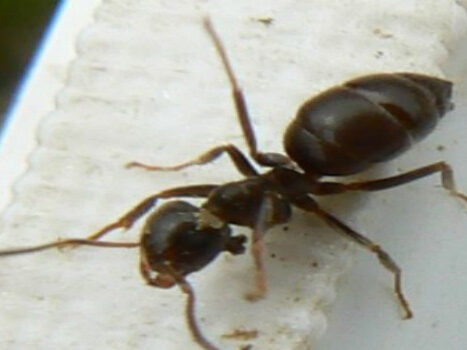
- Flying ants have a narrow waist, while termites have a broad, straight waist.
- Ants have elbowed antennae, whereas termites possess straight, beaded antennae.
- The wings of flying ants are unequal in length, with the front pair longer than the hind pair. Termites have wings of equal length.
- Flying ants tend to form swarms only for a short period, while termite swarming may last longer and is less common in London.
Are Flying Ants Harmful to Your Home?
Flying ants themselves do not cause direct damage to homes as they are mainly focused on reproduction and colony expansion. However, their presence indoors can indicate an underlying ant infestation, which may cause issues such as contamination of food or structural damage if the species involved burrow in wood or walls.
Potential Risks From Ant Infestations
If you regularly see flying ants in London around your home each summer, there may be an established ant colony nearby. Although swarms are usually short-lived, repeated activity can indicate that ants are nesting beneath patios, inside wall cavities, or close to your property’s foundations.
How to Prevent Flying Ants in Your London Home
Preventing flying ants involves managing the ant population around your home and sealing potential entry points. Here are some strategies for London residents:
- Keep your home clean and free of food debris that may attract ants.
- Seal cracks and gaps in windows, doors, and foundations.
- Maintain your garden by trimming back vegetation and removing mulch or wood piles near the house.
- Ensure proper drainage around your property to prevent damp conditions that ants favor.
- Use insect screens on windows and doors during the swarming season.
Professional Treatment for Flying Ant Infestations
If flying ants become a persistent problem, it is advisable to contact professional pest control services. Experts can identify the ant species, assess the severity of the infestation, and implement targeted treatments to eradicate the colony safely and effectively.
What to Expect From Pest Control Services
Professional pest controllers in London use a variety of methods, including baiting, insecticides, and habitat modification. They also provide advice on preventing future infestations to ensure long-term results.
Conclusion
Flying ants in London are a normal part of the summer season, but they can still be an unwelcome nuisance for homeowners. While most swarms disappear within a few hours, repeated sightings may indicate a larger ant colony close to your property. By taking preventative measures and acting quickly when infestations develop, you can reduce the chances of ants becoming an ongoing problem. If DIY methods fail, professional ant control can identify the source of the infestation and provide long-term protection for your home.