
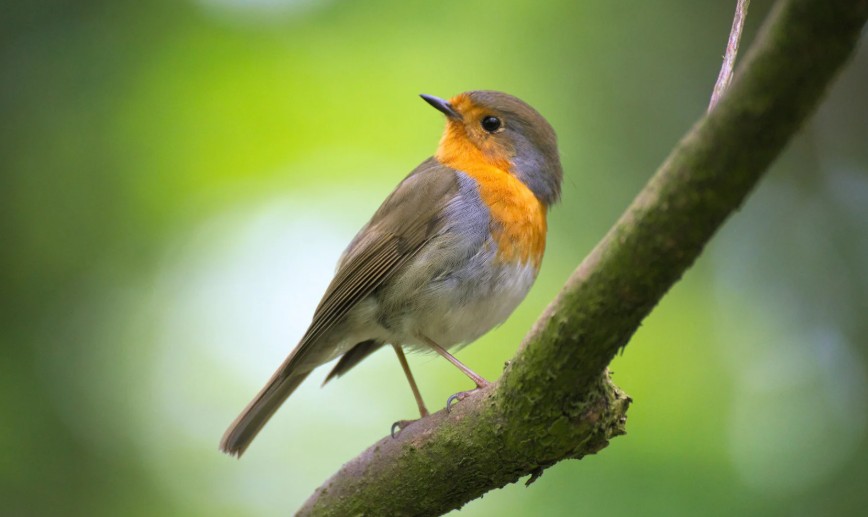
Birds may seem harmless, even charming, as they perch on rooftops or flutter through trees. However, for homeowners, farmers, and business owners, birds can quickly become a nuisance. Whether it’s the mess caused by droppings, the damage to property, or the disruption of crops and gardens, bird problems require effective and humane solutions. That’s where bird repellents come in. But with so many options on the market, what is the most effective bird repellent?
What is the Most Effective Bird Repellent?
The effectiveness of a bird repellent depends on several factors, including the type of bird, the location, and the extent of the problem. However, visual deterrents and sound devices have proven to be among the most effective methods when used correctly and consistently.
1. Bird Spikes
Bird spikes are one of the most popular and humane physical deterrents used to keep birds from roosting or nesting on flat or curved surfaces. Made from plastic or stainless steel, these spikes don’t harm birds but make it impossible for them to land or walk comfortably.
2. Ultrasonic Sound Devices
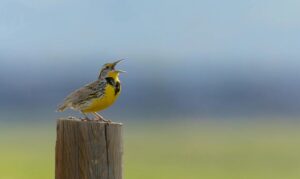
Ultrasonic bird repellents work by emitting high-frequency sound waves that are disturbing to birds but silent to humans. These devices can cover wide areas and are especially useful for deterring multiple bird species at once.
3. Reflective Deterrents
Reflective bird deterrents use light and motion to frighten birds away. Products like holographic scare tape, spinning pinwheels, and reflective discs create unpredictable flashes and movements that birds interpret as threats. They’re easy to install and work well in gardens, patios, balconies, fruit trees, and crop fields.
4. Bird Gels or Liquid Repellents
Bird repellent gels and sprays create an unpleasant surface for birds, often feeling sticky or tacky underfoot. Birds dislike the texture and avoid landing on treated areas. These are typically applied on railings, ledges, window sills, rooftops, and other common perching spots.
5. Predator Decoys
Using life-like decoys of natural bird predators such as owls, hawks, falcons, or even snakes and they can be an effective psychological deterrent. Birds recognize these threats and will usually avoid areas where they feel unsafe.
Conclusion
While DIY bird repellents like ultrasonic devices, bird spikes, and reflective materials can be effective, persistent bird problems often require a professional touch. Birds are smart, and over time they may adapt to certain deterrents if not used properly or consistently.
For long-lasting results and a tailored solution, it’s best to contact a professional pest control service. Experts can assess the severity of the issue, identify the species involved, and implement a customized bird control plan that’s both humane and effective.