

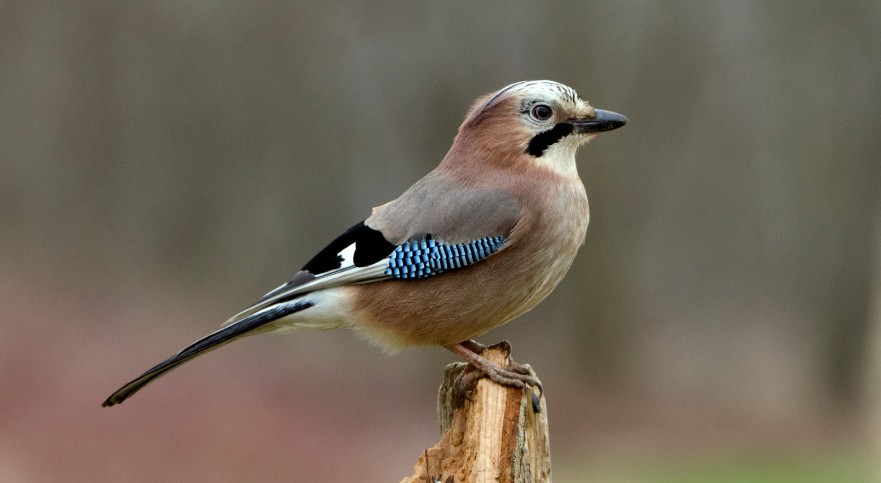
The Eurasian Jay is a striking and intelligent bird, easily recognized by its pinkish-brown body, black-and-white wings, and brilliant blue wing patches. Found throughout Europe and parts of Asia, this bird often sparks curiosity not just for its beauty, but also for its behavior. In pest control and wildlife management, understanding species like the Eurasian Jay is essential. But is this bird endangered?, Let’s see how it fits in the environment.
Is the Eurasian Jay Endangered?
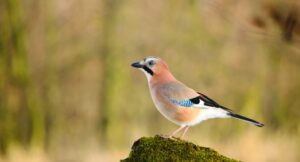
The answer is no, the Eurasian Jay is not currently endangered. According to the International Union for Conservation of Nature (IUCN), the species is listed as “Least Concern” due to its large, stable population and vast geographic distribution. These birds are adaptable, living in a variety of woodland habitats and even thriving in urban parks and gardens.
That said, local populations may face pressures from habitat loss, deforestation, or illegal trapping in some regions. However, these threats have not yet led to a significant global population decline. In fact, their adaptability and varied diet help them survive in changing environments better than many other woodland birds.
Can Eurasian Jays Be Considered a Pest?
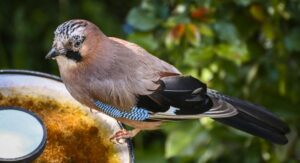
While they’re not endangered, Eurasian Jays can sometimes cause problems for farmers and gardeners. Known for raiding nests of other birds, stealing eggs, or damaging fruit crops, they can be perceived as pests under certain conditions.
However, it’s important to note that they also play a beneficial role in controlling insect populations and promoting forest regeneration through seed dispersal. Some common nuisance behaviors include:
- Raiding bird nests: They may steal eggs or young birds, impacting populations of smaller species.
- Damaging fruit crops: Jays are known to peck at or eat fruits like cherries, apples, and berries.
- Scattering seeds: While this helps forests, in gardens or farms, it can lead to unwanted plant growth.
- Loud vocalizations: Their harsh calls can become a noise issue in residential or quiet areas.
In pest control, the focus should always be on humane and ecologically responsible management. Preventive measures like netting over fruit trees or using sound deterrents can help reduce conflict without harming local jay populations.
Conclusion
The Eurasian Jay is a beautiful and ecologically important bird species that is not currently endangered. While they may occasionally cause minor issues for landowners or gardeners, their positive contributions to the environment often outweigh the negatives. If you’re facing issues with Eurasian Jays or any other bird species, consult a professional pest control service immediately and resolve the issue.